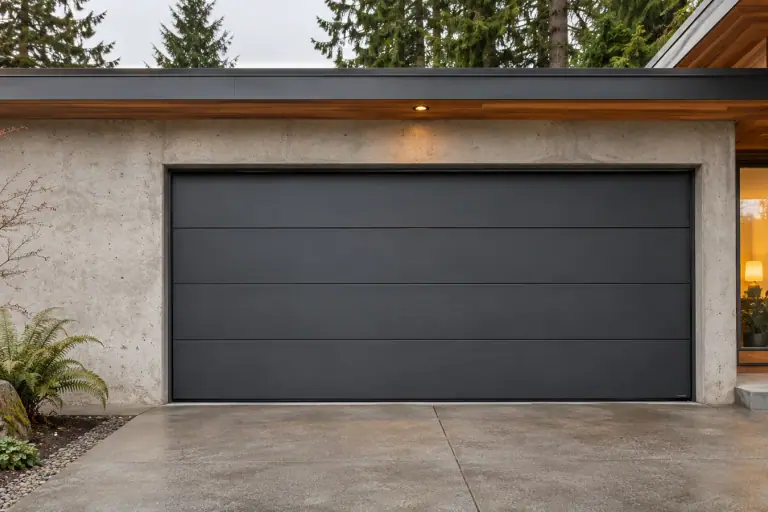
Garage door maintenance and tune-ups
A door that still opens evenly but rattles on the way up is a good candidate for a tune-up. Tell us where the noise starts and whether it happens on opening, closing or both. GVA checks the door hardware and opener together.
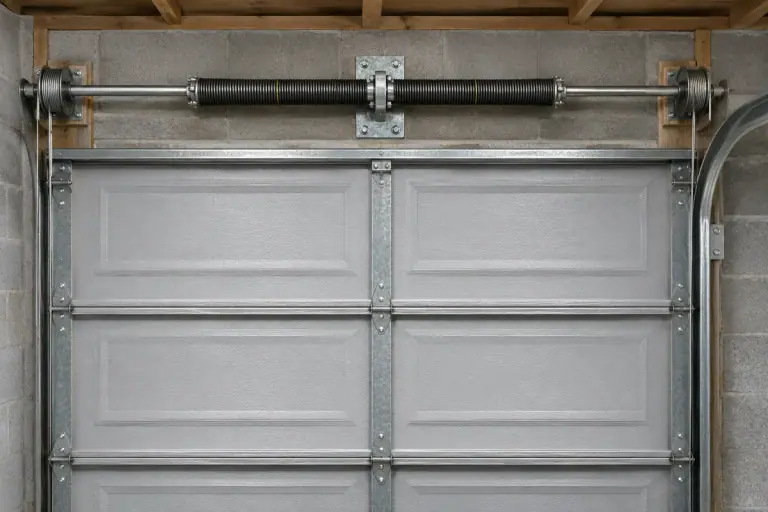
What a noise or vibration can tell us
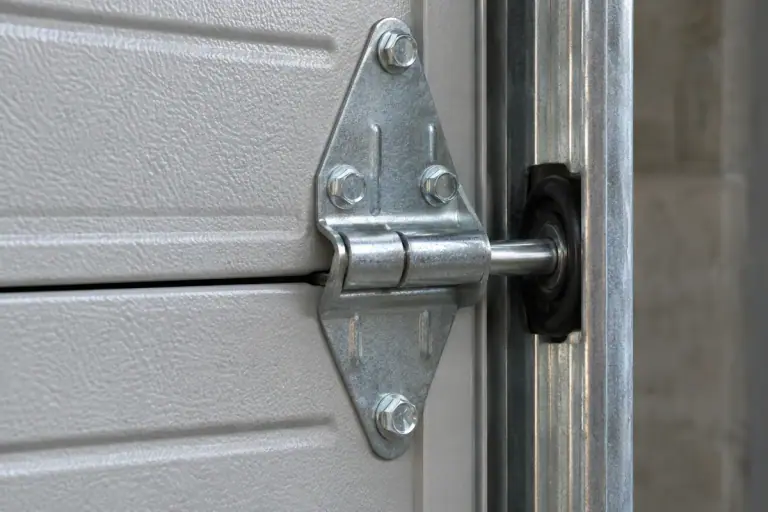
A squeak at a panel joint can come from a hinge or roller. A repeated scrape at one point in the opening calls for a look at the track. Let the technician know whether the noise is new and whether the door still sits level when closed.
If a wheel has left the track, the door is crooked or a cable is loose, stop using the door and arrange a repair. Roller and off-track repair explains what to report.
Between service visits
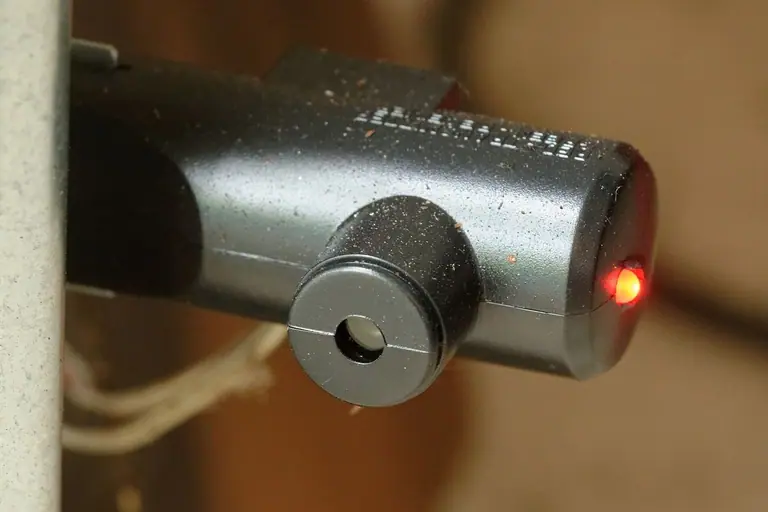
With the door closed, look for debris in front of the safety sensors, a torn bottom seal or new damage to a panel. Leave springs, cables, drums and bottom brackets to the technician. Use the opener manual for the correct reversal test and stop operating the door if it fails.
For regular reminders see GVA’s monthly garage door checklist. Amarr publishes door care instructions for its residential products.
What to include in a tune-up quote
GVA’s residential repair price guide lists $95–$175 for a noise fix or tune-up, before GST. A damaged track, broken cable or replacement opener is a separate repair. We explain what we find and quote the work before starting.
Tell us the door size, how often it runs and which sound or movement you noticed. For a shared parkade or loading bay, ask about commercial overhead door maintenance so the quote accounts for traffic and access.